
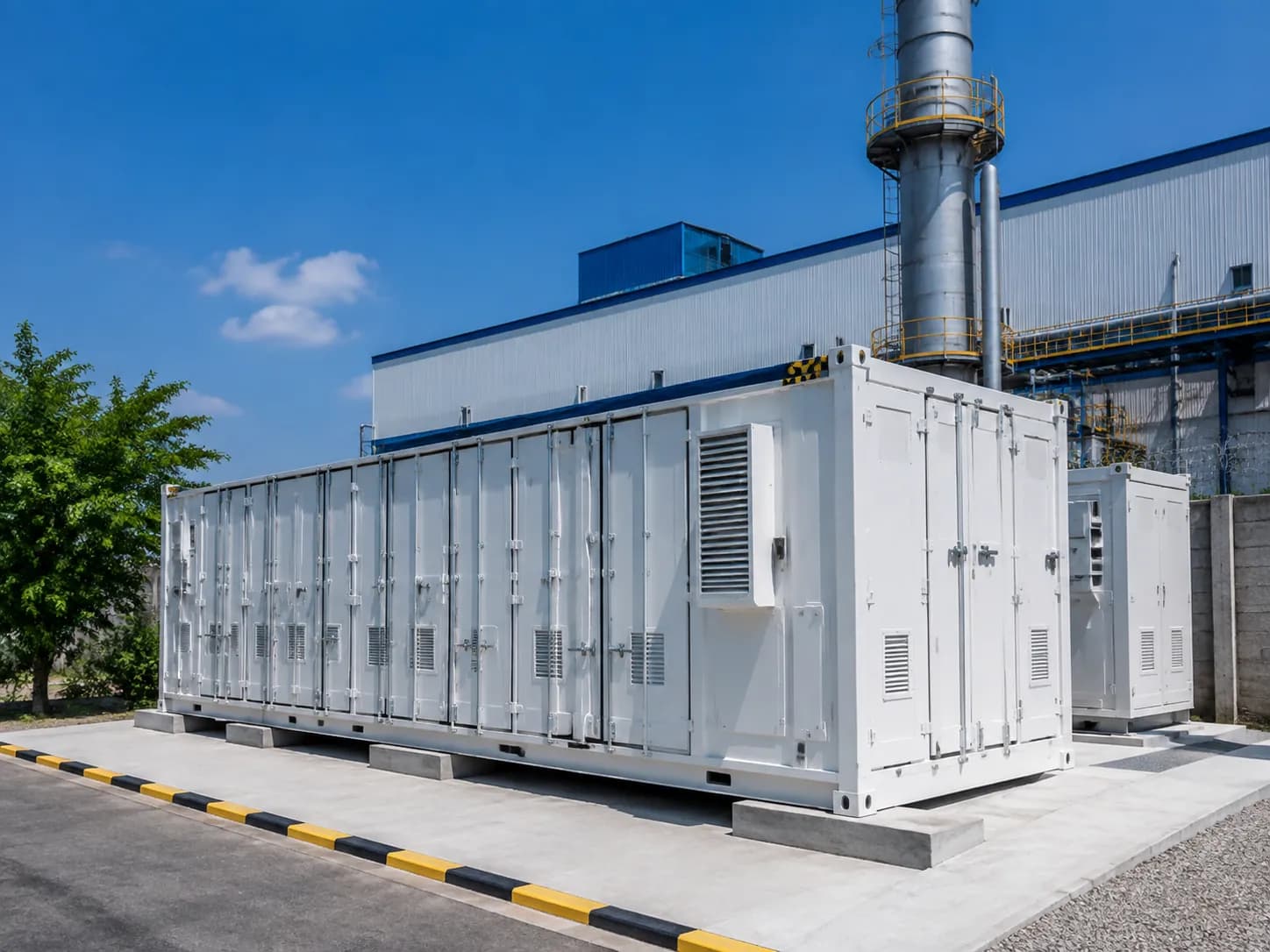
A hybrid system combines solar, the grid and battery storage through coordinated power electronics. It can support selected loads during outages, increase solar self-consumption or shift energy between time periods. Those outcomes require different sizing and control strategies, so the first decision is the service the battery must provide.
Define the objective before selecting hardware
Backup design begins with which loads must remain available and for how long. Solar self-consumption begins with the mismatch between daytime generation and later demand. Time-of-use optimisation depends on the tariff and charging rules. A battery may support more than one use case, but the proposal should show which service has priority and avoid counting the same stored energy twice in the savings case.
Understand normal and outage operation
In normal conditions, the control system decides whether solar serves loads, charges the battery or interacts with the grid. During an outage, a compatible hybrid system isolates from the utility and energises only its designed backup circuit. Available solar can extend backup in daylight, but output varies with weather and load. The changeover method, restart behaviour and any generator interaction should be described before installation.
Separate power from energy
The inverter and battery power rating, expressed in kW, determines how much load can run at once and whether high-starting-current equipment can be supported. Battery energy, expressed in kWh, influences runtime. Usable capacity is lower than the nameplate after accounting for operating limits and conversion losses. The design should also allow for temperature, ageing and the desired reserve at the end of an outage.
- kW: simultaneous load and surge capability
- kWh: usable energy and expected runtime
- Efficiency and operating limits reduce delivered energy
- Future degradation should be visible in the model
Build a realistic critical-load schedule
List essential circuits, their running power, starting power and expected hours of use. Refrigeration, pumps, motors, lifts and air-conditioning can behave differently from lights and electronics. For a home, a separate essential-load panel can prevent accidental overload. For a business, load profiles and operating procedures should be agreed with the facilities team rather than inferred from the total connected load.
Treat battery safety as a system requirement
Chemistry is only one part of safety. The installation needs an appropriate enclosure, ventilation or thermal management, isolation, protection, earthing, clearances, monitoring and an emergency response plan suited to the product and site. Ask who commissions the system, who receives alarms and what local support exists. Applicable electrical, fire and building requirements should be checked for the final location.
Compare lifecycle value and service
Review usable capacity, warranted operating conditions, throughput or cycle provisions, expected efficiency, software functionality, replacement assumptions and service response. A low initial price may not be the lowest lifetime cost if controls, monitoring or after-sales support are weak. Savings and runtime are projections, not guarantees, and should be tested against more than one load and tariff scenario.
Practical checklist
- Write down the primary use case and priority order.
- Identify critical loads, starting currents and required runtime.
- Confirm usable kWh, continuous kW and surge capability.
- Review installation location, protection, thermal and emergency provisions.
- Compare warranty conditions, monitoring, commissioning and local service.
Frequently asked questions
Can a battery back up the whole building?
It can be engineered to do so, but whole-site backup may require much higher inverter power and battery capacity. Prioritising critical loads is often more practical and economical.
Does a larger kWh rating mean the system can run larger equipment?
Not necessarily. kWh indicates stored energy, while the inverter and battery power ratings determine how much load can operate at once and whether motor starting surges are supported.
Can solar recharge the battery during an outage?
A correctly designed hybrid system may do this, subject to available sunlight, inverter architecture, battery limits and the loads already running. It should be confirmed in the operating design.
This guide provides general information, not a site-specific technical, financial or legal recommendation. Site conditions, tariffs, regulations, incentives, product terms and lender policies can change. Verify current requirements and obtain a project-specific assessment before deciding.