
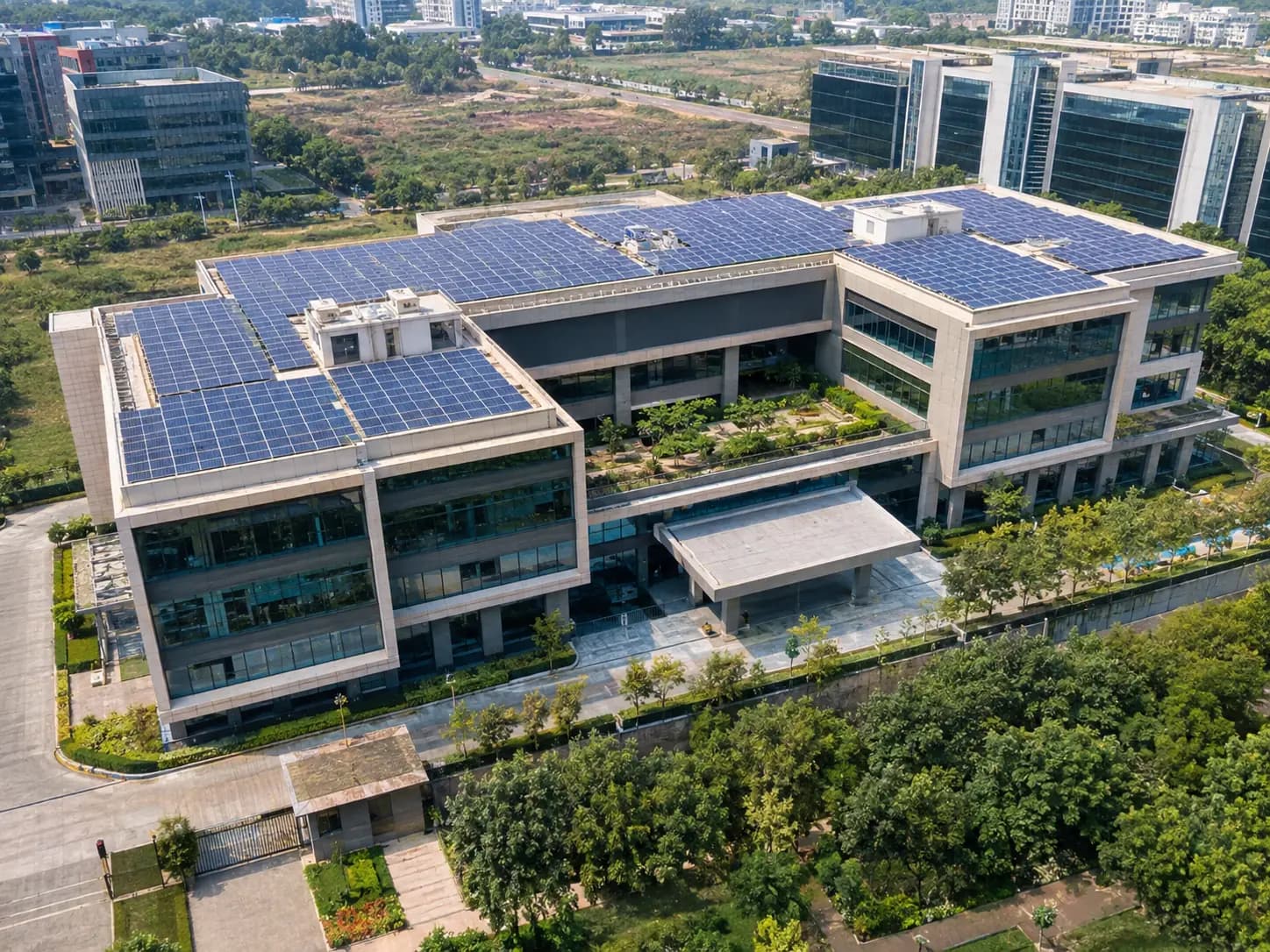
A commercial solar decision needs more than an attractive payback headline. The strongest business cases connect verified consumption, site constraints, tariff treatment, a practical design, financing structure and long-term operating responsibility. Each assumption should be visible so management can understand what drives the result.
Establish the energy baseline
Collect at least 12 months of bills, sanctioned-load details and, when possible, interval data. Separate energy charges from demand, fixed, minimum and statutory components. Map seasonal changes, working days, shutdown periods and planned load growth. This prevents a proposal from assuming that every generated unit offsets the highest tariff or that historical demand will remain unchanged.
Complete technical due diligence
The survey should cover roof drawings and condition, structural capacity, shade, drainage, waterproofing, fire access, equipment clearances, cable routes, earthing and the point of interconnection. Confirm whether installation can proceed without disrupting production. A roof lease, shared premises or future expansion plan can introduce ownership and access questions that need resolution before procurement.
Create a transparent generation model
The estimate should state the weather source, orientation, tilt, shade, temperature, soiling, mismatch, cable, inverter and availability losses. It should explain degradation treatment and whether clipping or export curtailment is expected. Compare monthly generation with monthly and daytime consumption rather than relying only on an annual total. Actual output will vary with weather, usage and plant condition.
Translate generation into indicative savings
Apply generated energy to the correct tariff components and current metering arrangement. Show a base case plus downside and upside cases for generation, tariff changes, consumption and downtime. Keep taxes, financing costs, incentives and replacement expenses explicit. Payback, internal rate of return and lifetime savings are decision aids, not guaranteed outcomes, and should be refreshed if site or policy inputs change.
Choose the commercial structure
A direct purchase offers ownership and control but uses capital. A loan can spread payments while retaining ownership. Lease, power-purchase or operating models may shift capital and operating responsibilities, subject to provider terms and site eligibility. Compare cash flows, security, escalation, tenure, buyout or exit provisions, insurance, tax treatment and who carries performance risk before choosing a structure.
Plan delivery and long-term governance
Set milestones for design approval, procurement, roof preparation, installation, testing, utility coordination, training and handover. Name the person who will review monitoring alerts and performance reports after commissioning. Define cleaning, preventive maintenance, fault response, spare strategy and warranty-claim responsibility. A documented baseline makes later performance discussions more objective.
Practical checklist
- Collect bills, interval data and planned load changes.
- Verify structural, roof, safety and interconnection conditions.
- Require monthly generation and savings assumptions with sensitivities.
- Compare commercial models on total cash flow and risk allocation.
- Include commissioning records, monitoring access and an O&M plan.
Frequently asked questions
Why can two proposals show different payback periods?
They may use different generation losses, tariffs, escalation, self-consumption, incentives, financing or maintenance assumptions. Compare the inputs line by line before comparing the headline.
Should we install the maximum capacity the roof can hold?
Not automatically. The preferred capacity should consider daytime demand, export treatment, electrical limits, safe access, roof maintenance and the business objective.
Are projected savings guaranteed?
No. A credible model is indicative and depends on actual weather, consumption, tariffs, uptime, maintenance and regulatory treatment. Contractual performance commitments, if offered, must be assessed separately.
This guide provides general information, not a site-specific technical, financial or legal recommendation. Site conditions, tariffs, regulations, incentives, product terms and lender policies can change. Verify current requirements and obtain a project-specific assessment before deciding.